
Material Transport Coordination
.jpeg)
About the Product
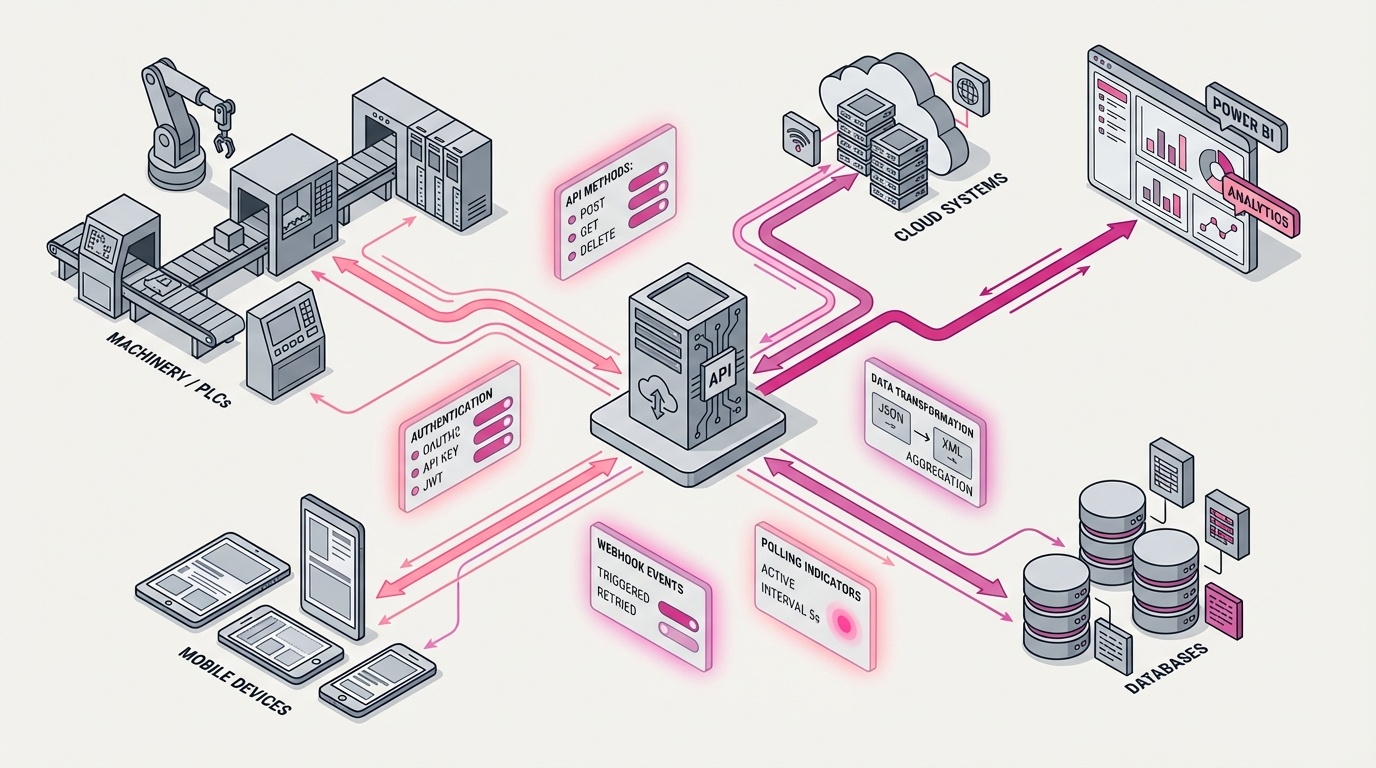
This application coordinates all internal material transport on the shop floor. It handles both automated and manually triggered requests by calculating transport needs based on production orders, material at the line, and warehouse stock. By aligning demand with available transport capacity, it ensures timely deliveries, avoids shortages, and reduces empty runs—whether using forklifts, milk runs, or AGVs.
Typical challenges
- Inefficient routing: Forklift drivers moving across the factory without optimized paths or prioritized tasks.
- Communication gaps: Relying on walkie-talkies or paper notes to request material movements.
- Congestion: Too many vehicles in the same aisle due to a lack of central coordination.
- Missing materials: Production stopping because a transport request was lost or overlooked by the logistics team.
Business impact
- Reduced Logistics Costs: Optimizing routes and reducing empty runs leads to better utilization of the logistics fleet.
- Minimized Line Stops: Proactive coordination ensures that materials arrive before the production station runs dry.
- Increased Transparency: Real-time tracking of transport tasks provides full visibility into logistics performance and bottlenecks.
Purchase Product
Contact us to learn more about deployment options and how to purchase this product.
CONTACT USProduct Specs

Created:
February 1, 2026

Compatible with:

File size:

File type:

Dimensions:

Product features
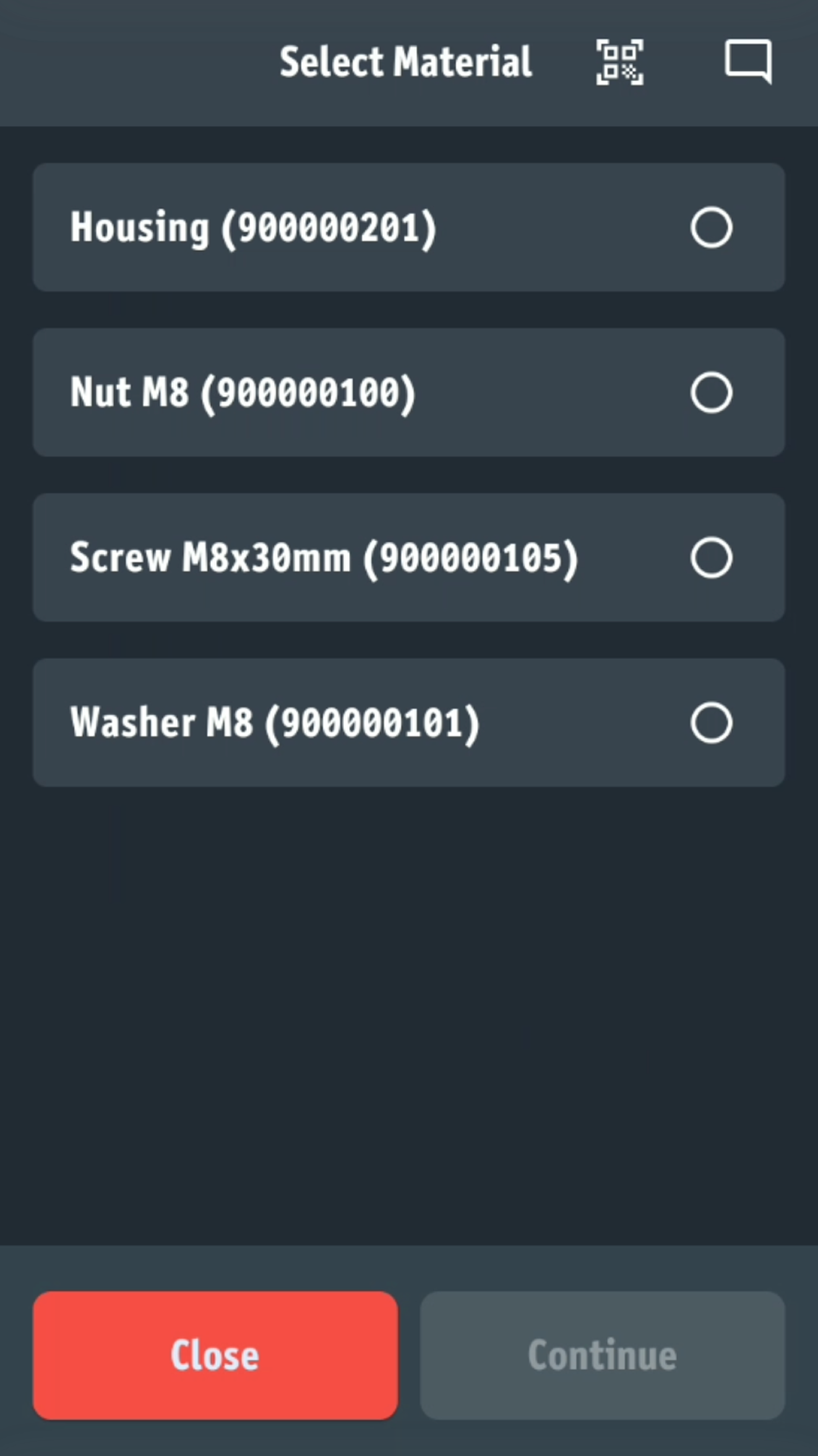
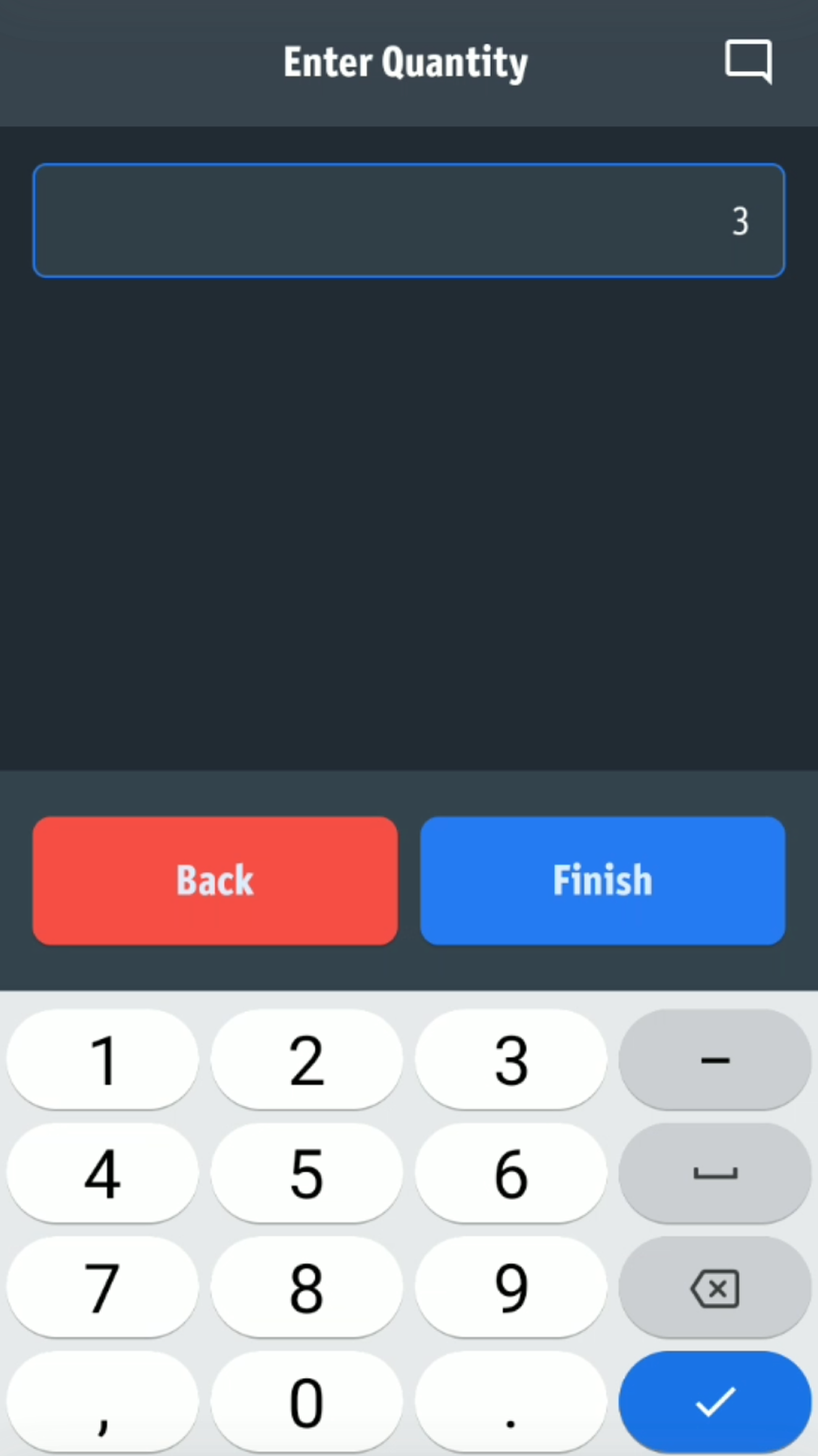
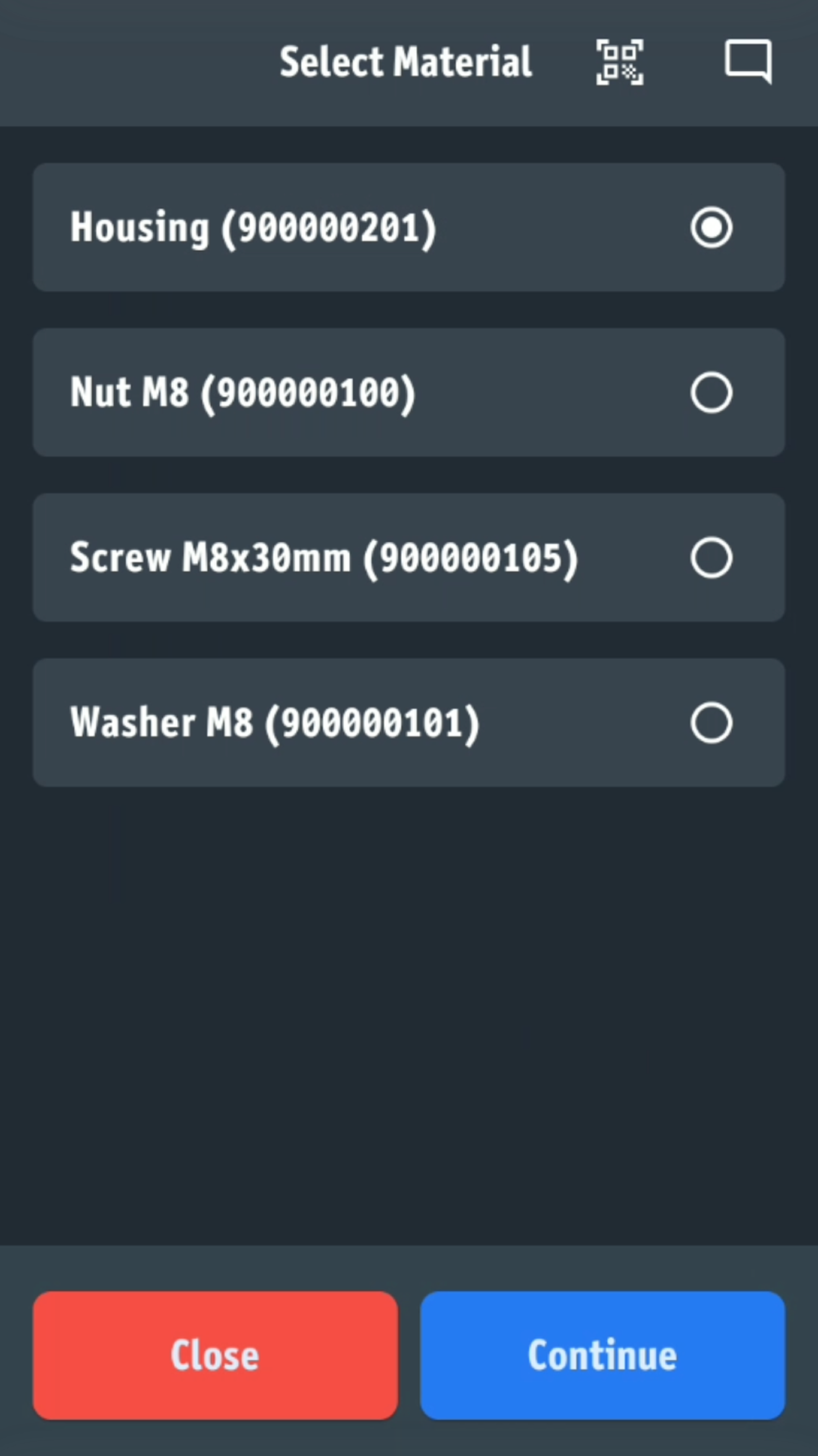
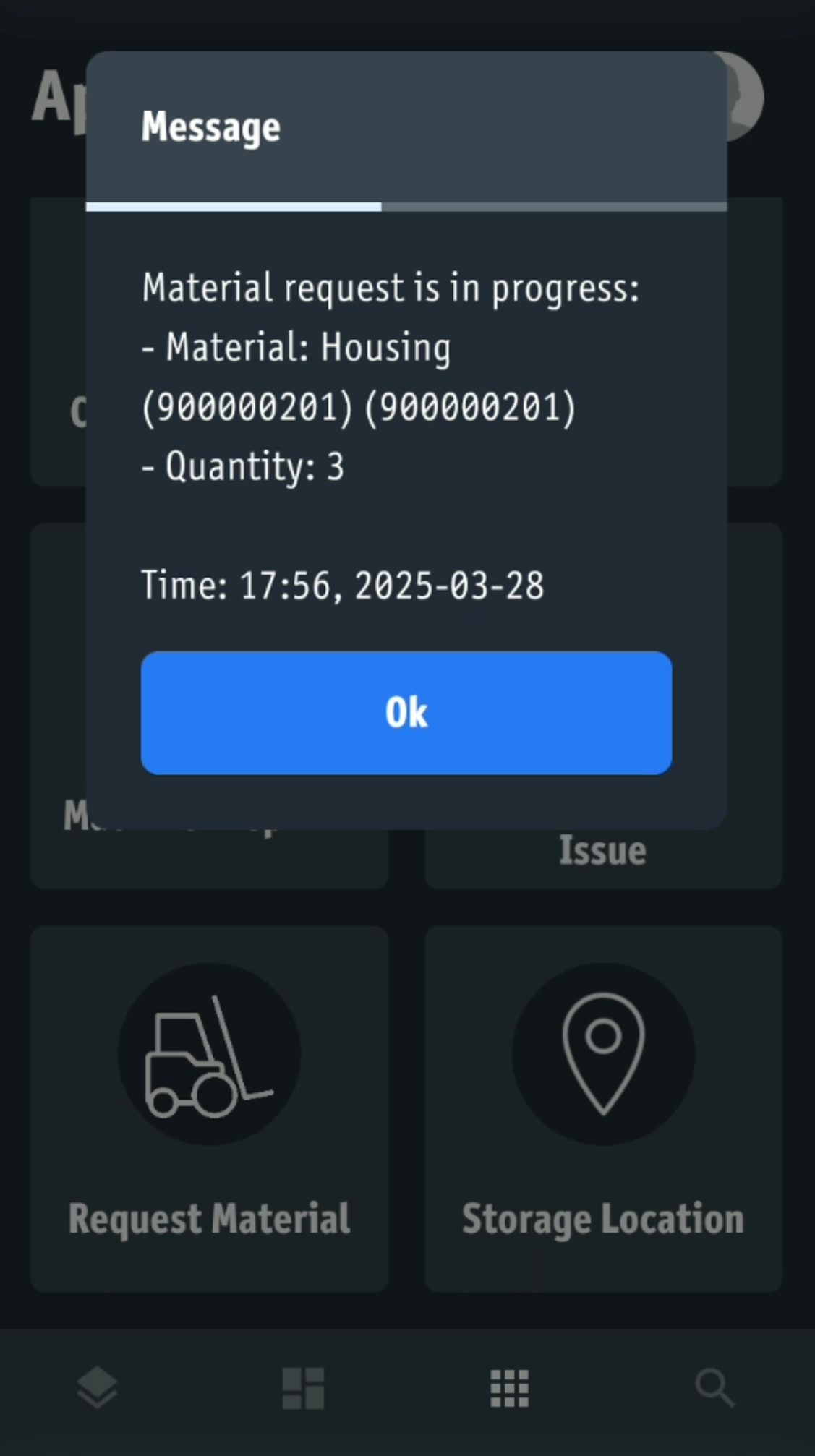
A workflow that allows to automatically or manually coordinates the movement of materials between warehouses and production lines.
Smart Dispatching Engine
Automatically assigns transport tasks to the most suitable vehicle based on location and capacity.
Real-Time Alerting
Real-Time Alerting
Mobile Driver Interface
A task-optimized app for drivers to accept, execute, and confirm material pickups and drop-offs.
Priority Queuing
Intelligent logic that ranks transport requests based on the remaining stock levels at the destination.
AGV & AMR Integration
Seamless connection to automated mobile robots for fully autonomous material replenishment.
Bottleneck Analytics
A data foundation enabling continous improvement, e.g., identifying bottlenecks in material supply at certain production areas.